Are AI Headshots are Killing Studio or On-Site Headshot Sessions?
Maybe headshot photography is a thing of the past. In some cases that is already true.
AI headshot generators are good! And they’re only getting better.
Long gone are the days of wonky fingers and strange artifacts appearing on your image. It happened fast too. Faster than any of us expected (except for Dario and Sam. They knew. I’m sure of it). When prompted well, AI can render some truly strong portraits. So generating a $35 AI headshot is a completely reasonable choice in many circumstances.
If AI headshots are good enough, then what does that mean for headshot photographers? Especially when potential clients are pressed for time and funds?
I think it means two things.
Good Enough, can be Great
First, “good enough” is a great answer in plenty of situations. A freelance writer who’s refreshing their LinkedIn profile. A small business owner who needs a clean photo by Thursday and has a budget of $50. Good enough works great here. Directing this type of client to an AI platform to get their needs met isn’t a loss.
And second, it means that photographers should exploring these new tools. Not for the sake of becoming a AI headshot prompters, but to develop a real understanding of what AI can do well, where it falls short and how it can be adapted to enhance a workflow. The medium has changed before. It changed when digital cameras replaced film. It changed again when smartphone cameras were endowed with professional specifications and people started building entire commercial content libraries from their phones. Significant shifts have happened before. The shifts expand a whole new territory. Like it or not the shifts allow for a whole new, sometimes younger, range of people to create imagery. And If you leave the fear of loss out of the equation, that’s kinda cool.
Where AI Wins
AI excels at well lit portraits with professional backgrounds and clean skin tones produced fast and inexpensively. The volume and variety it create is wild. This is perfect for the type of casual inspection a LinkedIn profile photos is subject to.
Where AI Loses
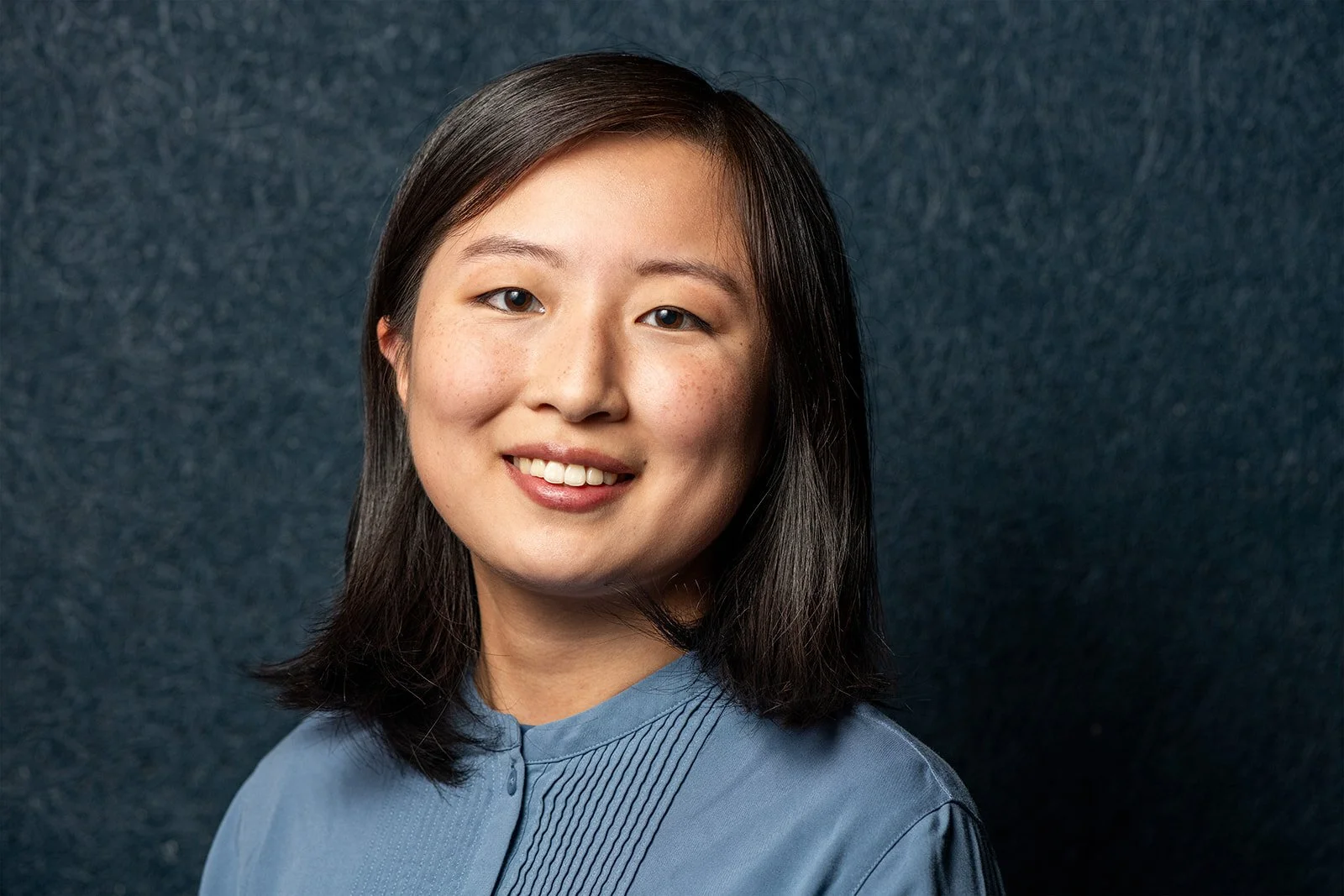
However, and this might be me trying to protect my craft, but I believe that AI falls short creating imagery that connects and converts. Headshots are meant to tell a story, establish trust and connect with people before you’ve even spoken a word.
A $35 headshots created by an algorithm doesn’t quite pass the Zoom test. When someone one shows up to a video call something feels off… the lighting, the facial structure, the texture it just doesn’t match. They may not be able to name it, but they can feel it. When your potiental client or employer shows up and they’re trying to figure out if you are the you they thought you were, you lost.
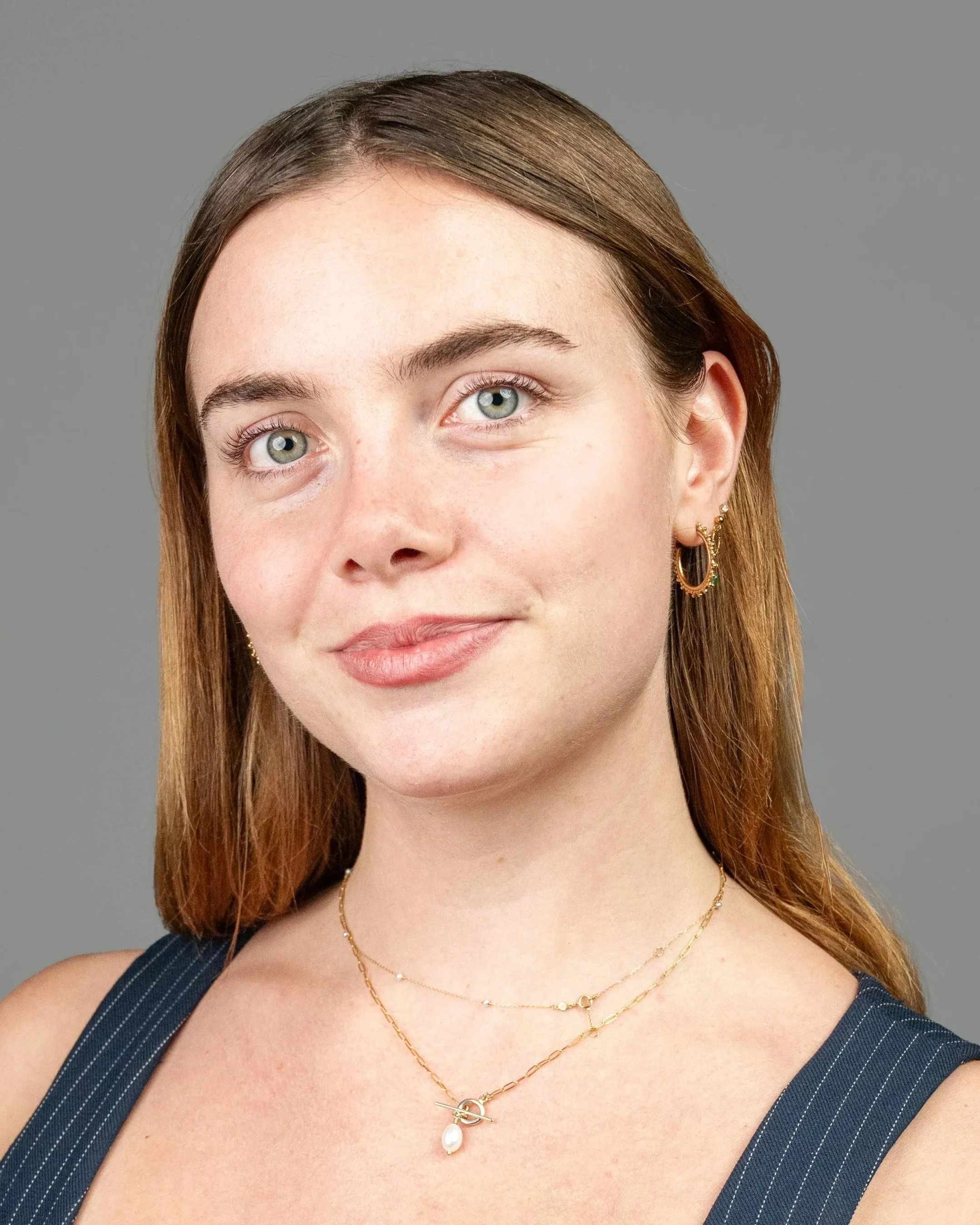
So when a freelance writer is updating their LinkedIn profile, a $35 AI headshot is probably just fine. But a managing partner at a Law Firm, who’s face is on the firms website, a court filing bio, a speaker panel and a potential client’s first Google search that’s a different situation entirely.
What About the Photographers?
The medium has changed, but that’s not a new. It’s not even a particularly novel concept. The medium changed and expanded when digital cameras were introduced. And then it changed again when smartphones caught up to digital camera specifications, allowing people to create whole catalogues of commercial content from their phones. Point being, mediums are going to change and adaptation is essential.
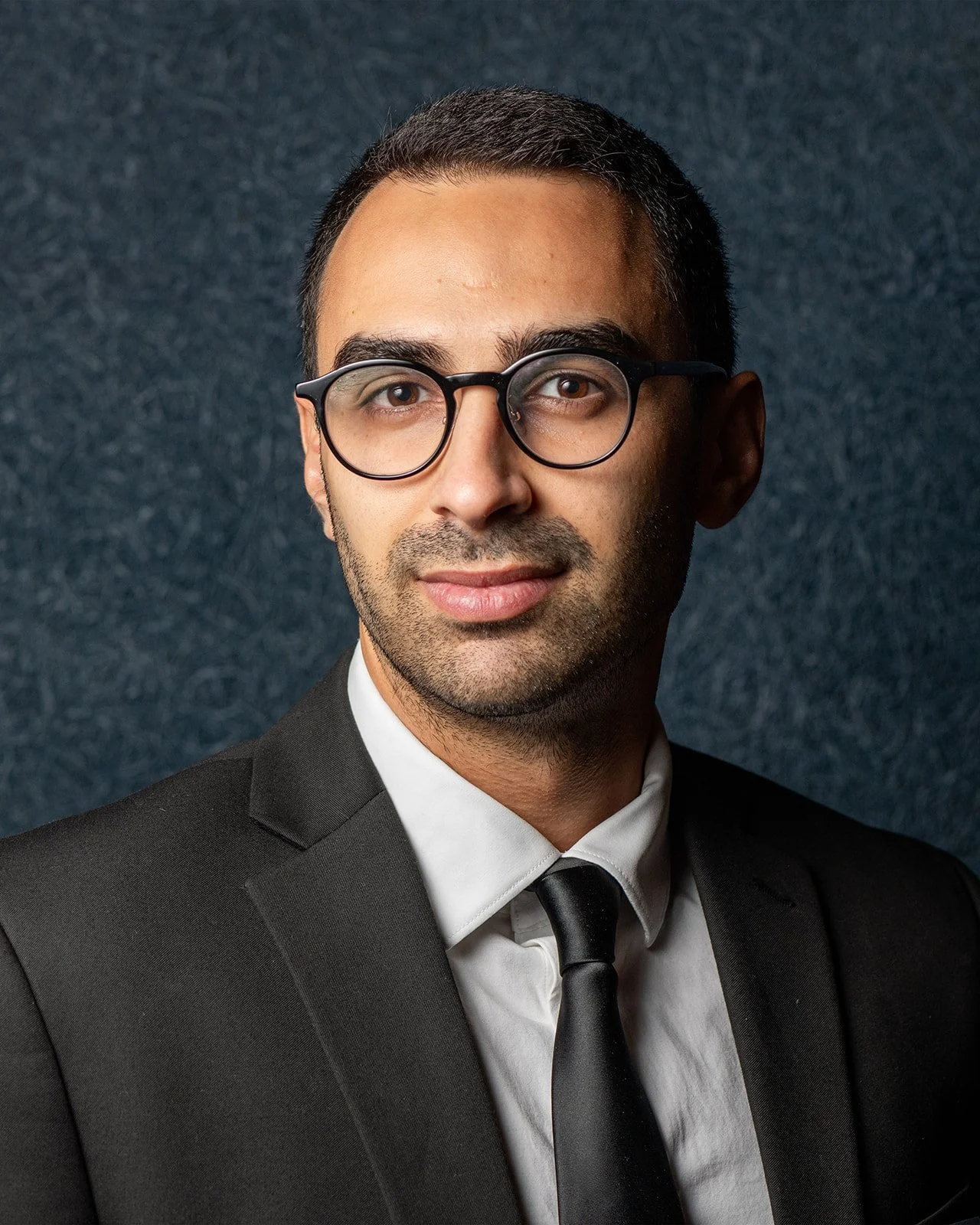
I don’t believe that photographers should disappear. Or panic. Or that we should become AI prompt engineers. I do believe it means we need to educate our clients about when professional photography creates real value and when a less expensive tool can serve their needs. It also means elevating services so that they reach clients whose stakes are high enough to justify what professional photography brings to the table.
_____________________________________________________________________________
Shannon Kelli is a commercial photographer based in Berkeley, California specializing in corporate headshots, brand photography and visual storytelling for institutional and professional clients.